
Unlock Distance. Unlock Confidence. See More Than the Naked Eye.
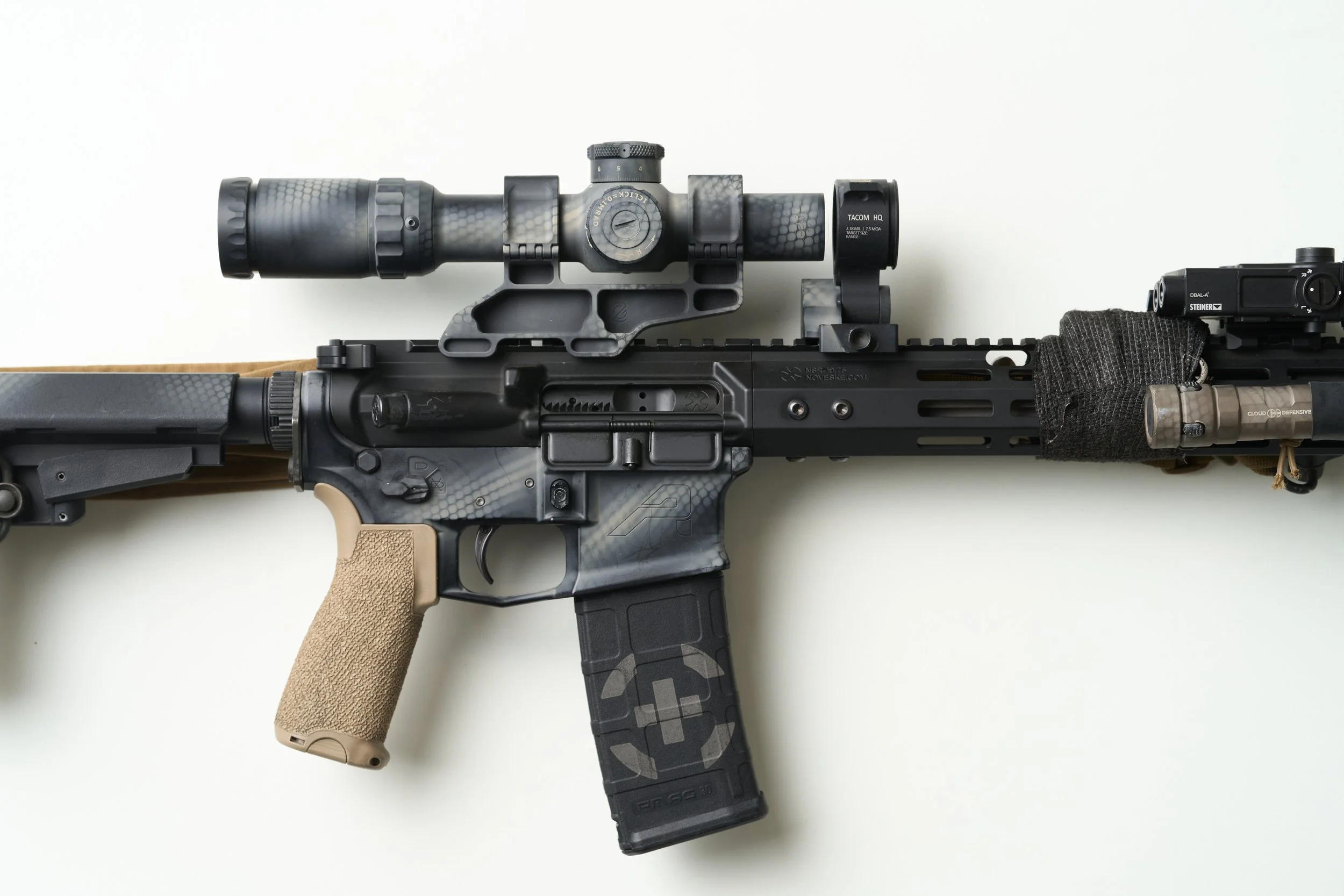
Tacom HQ - Alpha Tarac
In today’s world, precision isn’t optional — it’s the standard across just about every industry and activity. Whether you are in defense innovation, long-range research, or cutting-edge optical engineering, one truth is universal: clarity at distance changes everything.
While binoculars and scopes may be what comes to mind when you think of seeing at a distance, you don’t always need those devices. And that’s exactly where prism-based optical displacement technology is rewriting expectations. Our team at Core Vision Training is going to break it down.
The Power of An Engineered Perspective
Imagine an optical system that works with physics instead of against it. A device that shifts your sightline with engineered precision — giving you a clean, elevated point of view crafted through the natural behavior of refracted light.
No batteries. No electronics. No menus. Just pure, rugged optical science.
Why It Matters
Modern users — from prepared citizens to defense professionals — need three things:
Speed
Reliability
Zero complexity
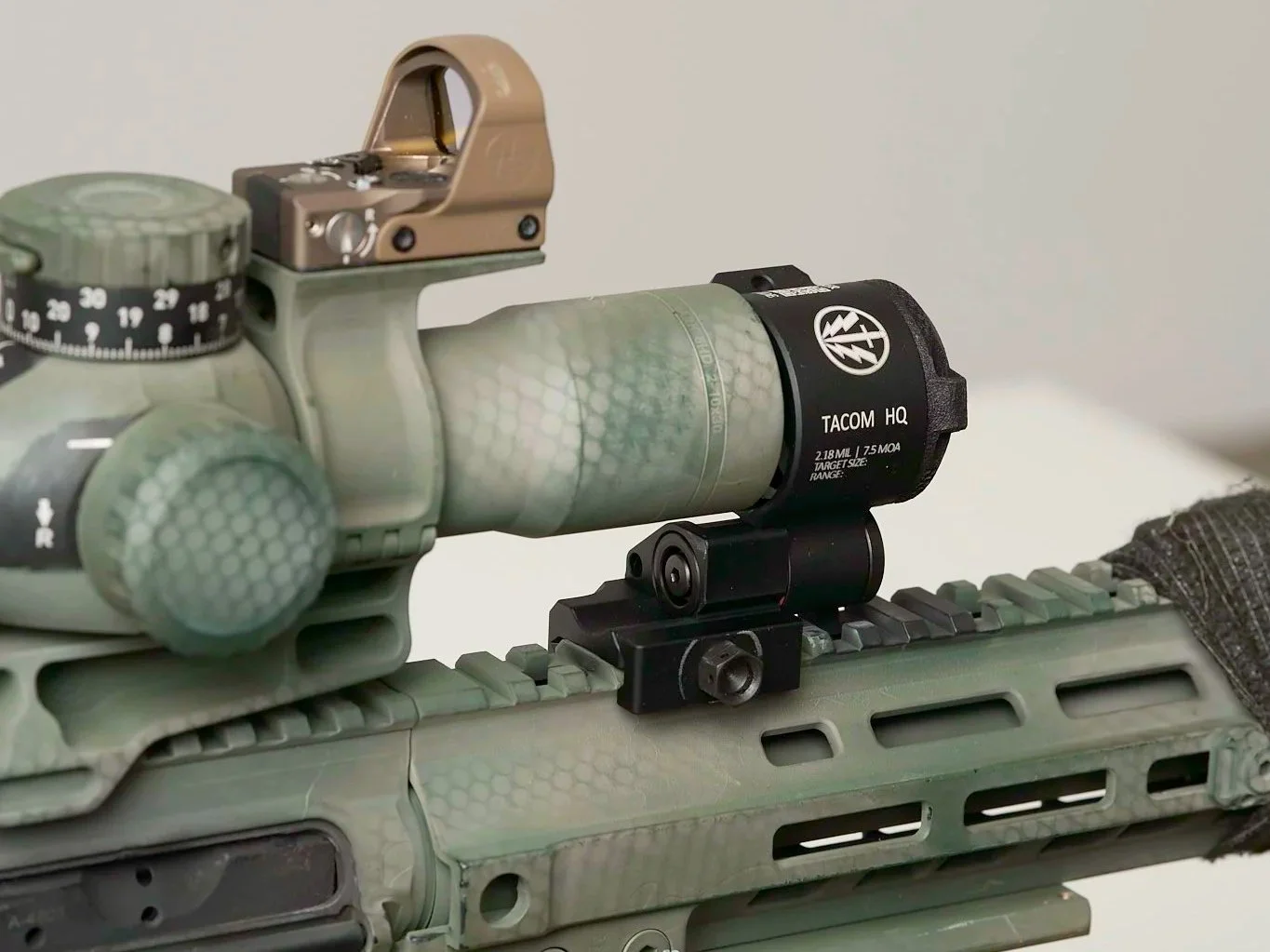
Prism-based optical technology delivers all three by creating a fixed, repeatable sightline shift that compensates for the visuals where long-range bullet drop becomes a problem. Bullet drop is the natural downward curve a projectile follows as it travels through the air. For a lot of people, the popular game Battlefield comes to mind, as when shooting at a distance in the game, you have to aim above the target.
This is because the moment a bullet leaves the barrel, gravity begins pulling it toward the ground. The farther it travels, the more time gravity has to act on it — so the projectile’s path gradually arcs downward instead of staying flat.
This effect becomes more noticeable at long distances, which is why optics, reticles, and various visual-compensation technologies are designed to help the shooter understand or offset that drop. Bullet drop isn’t a flaw of the shooter or the firearm — it’s simply physics in motion, combining gravity, air resistance, and time in flight into a predictable, curved trajectory.
The Tacom Alpha is simplest solution to one of the oldest challenges in projectile science: gravity always wins, unless your perspective is engineered to anticipate it.

Inspired by Military Demands, Built for Real-World Precision
For decades, militaries have sought optical solutions that:
Reduce mental workload
Increase first-look clarity
Stay operational in harsh environments
Remove reliance on electronics under critical conditions
The result is a class of optical tools that shift how you see, allowing you to stay focused on what matters most — the moment in front of you.
TACOM HQ
TACOM HQ has built a reputation as a niche innovator in the optics world, focusing on creative optical engineering rather than traditional electronics-driven solutions. Based in Huntington, Arkansas, the company specializes in developing prism-based devices that shift or enhance a shooter’s visual perspective using pure physics. Their work sits at the intersection of rugged field practicality and optical science, attracting interest from military, law-enforcement, and research communities looking for simple, reliable ways to improve long-range clarity.
In the broader context of sight-shifting technology—like the concept behind the Alpha TARAC—TACOM HQ stands out for its commitment to passive, geometry-driven tools that emphasize durability, speed, and repeatability. Their approach reflects a growing demand for solutions that reduce complexity while elevating visual performance in challenging environments.

PRISM OPTICS VS. ELECTRONIC SYSTEMS
Now you may be wondering, why not just go with an electronic optics system instead of Prism Optics? Let’s take a look at the comparison.
Prism-Based Optics
Pure optical geometry
Zero batteries, so you never have to worry
Instant sightline shift
Extremely rugged
Works in any environment
Predictable, fixed compensation
Electronic Systems
Adjustable and programmable
Requires power
Can offer dynamic data
Sensitive to environment
More complex under stress
Choosing the right tool depends on the mission.
Prism-based systems shine when speed, simplicity, and durability are top priorities.
Science Meets Simplicity
This isn’t magic, this is geometry. Now in high school and college, you may have thought that geometry was useless. However, in this case, geometry is key.
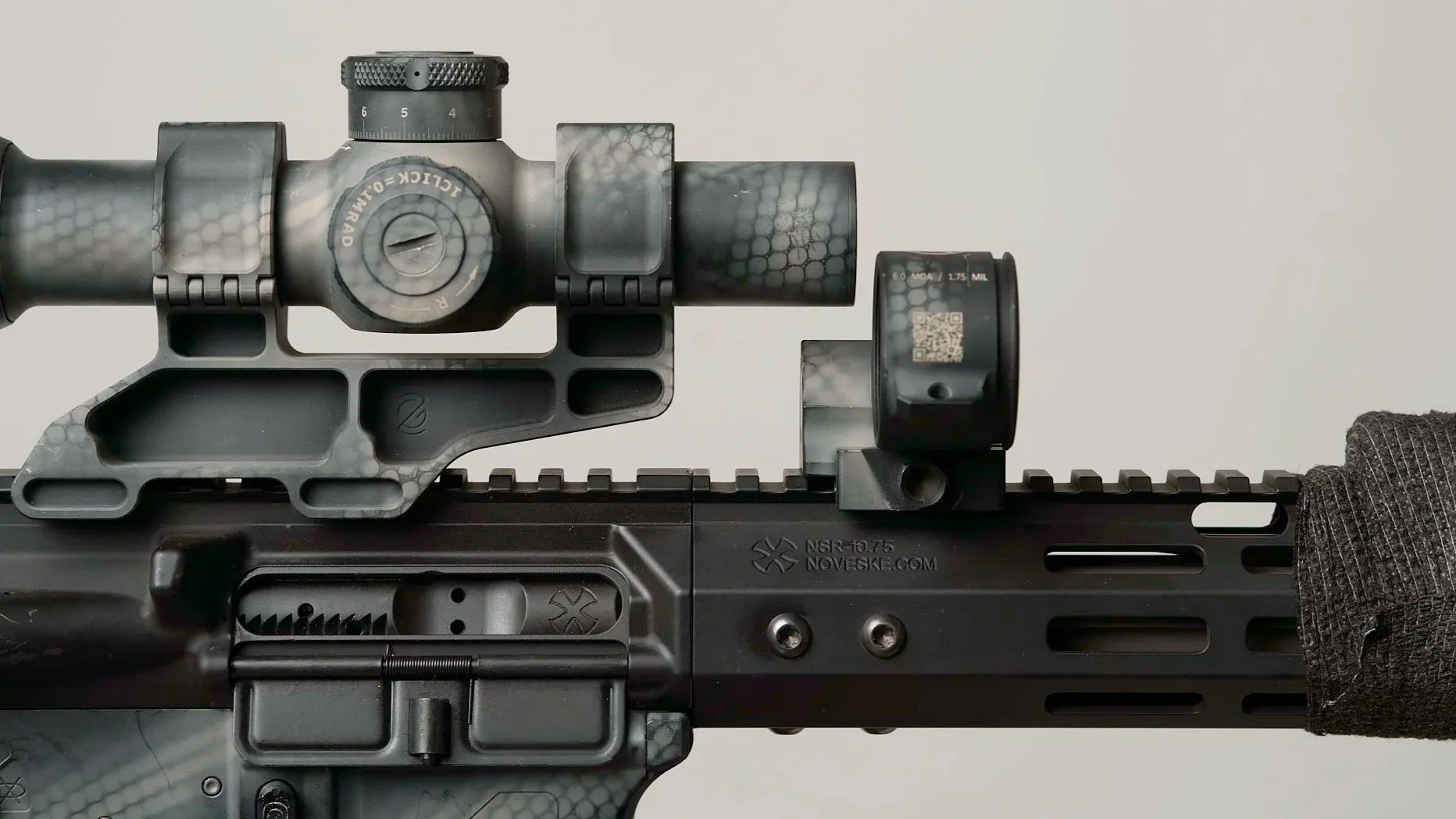
A precisely angled prism refracts incoming light upward, delivering a clean elevated sight picture. That shift aligns with predictable physics — giving the user enhanced visual compensation for distance without touching a dial.
The advantage?
Instant clarity.
Instant confidence.
Instant capability.
Wrap up: A New Standard for Optical Innovation
This prism-driven approach represents the future of optical simplicity: Fast, intuitive, rugged, and engineered for clarity when distance matters most.
Your vision determines your outcome — and with the right perspective, the impossible becomes achievable.
Check out Core Vision Training’s shop, Instagram, and other blogs!